News
Nov 30, 2025
The LGBTQ+ district is set to open in July and will 'put Nottingham on the map'
Posted by
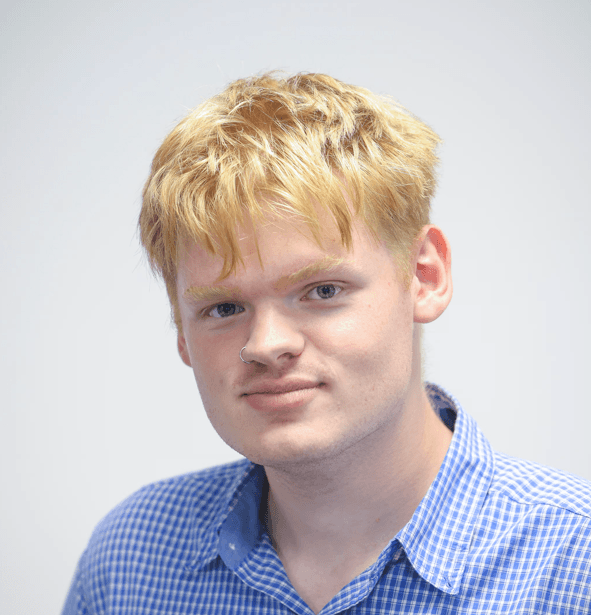
George Palmer-Soady
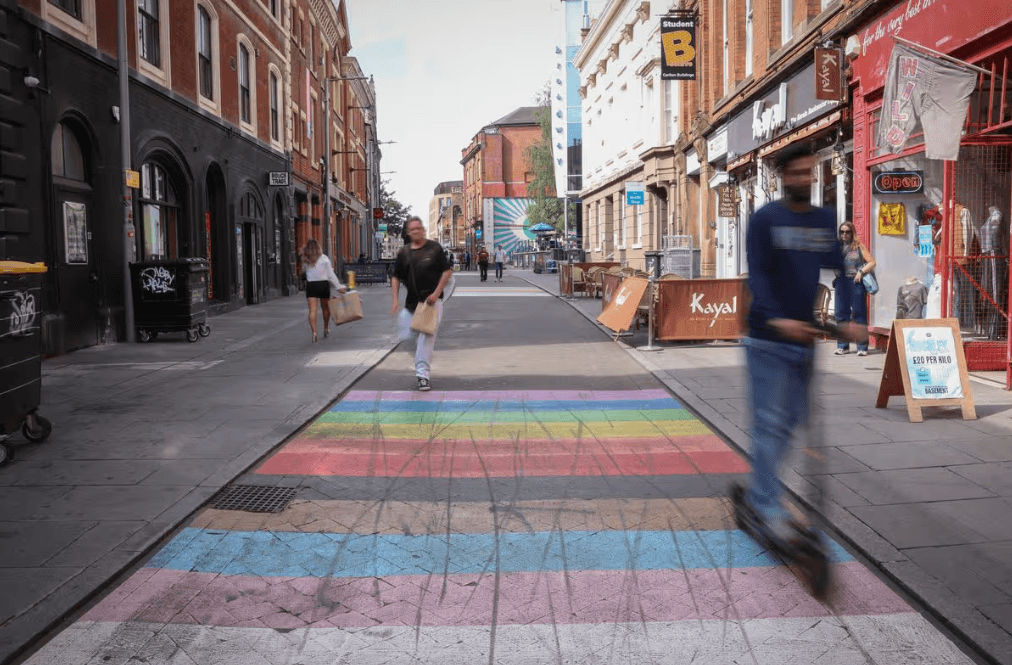
The key dates and plans for how a vibrant area of Nottingham will be transformed into the city's official LGBTQ+ district have been revealed.
By May 2026, streets around Hockley will be known as the 'Rainbow Quarter', in a style similar to the popular Gay Villages in Manchester and Birmingham.
Since the 1990s, the bohemian district has been an important place for the city's LGBTQ+ community, with a high density of gay-friendly bars and venues and a proud history of gay activism.
Campaigners, business experts, and politicians say the area, officially known as the Rainbow Quarter, will bring new visitors and investment to Nottingham, putting the city "up there with the greats" of gay-friendly areas in the UK, such as Brighton.
The area will cover Broad Street, Carlton Street, and Heathcote Street around Hockley and see historical plaques installed, maps updated to reflect the district's new title, and a collective image for businesses.
The initial proposals were exclusively outlined to Nottinghamshire Live in July by Sam Harvey, director of The Pastel Project charity, which is spearheading the scheme, with the backing of It's In Nottingham and other local organisations.
Sam has now revealed when Hockley's transformation will take shape - and how the area will begin to visually change in the upcoming months.
With an opening date of May 4 agreed by It's In Nottingham and the city council, works will begin in the new year.
This includes a mural being painted on Broad Street, old street signs being replaced and the area's current rainbow look being expanded.
Historical plaques detailing the area's importance to the LGBTQ+ community will also be placed in various locations around Hockley.
The initial planned locations for these plaques are outside The Lord Roberts pub, the Broadway Cinema, The Health Shop clinic, the former site of Mushroom Bookshop, and the end point of the Nottinghamshire Pride march.
All of the above locations are historically important to the area's LGBTQ+ community. The area's rich history dates back to the early 1990s, when The Health Shop, a centre which offered sexual health advice to gay men, opened.
Three years later, Sir Ian McKellen visited Broadway Cinema to launch The GAI Project, a gay and bisexual men’s HIV prevention initiative in Nottingham. Mushroom Bookshop, on Broad Street, was one of a handful in Nottingham that openly sold gay and lesbian literature and newspapers, including the Gay Times.
Meanwhile, the Lord Roberts is arguably the city's most popular LGBTQ-friendly pub, and has played a big part in annual Pride marches over the years.
"The area is unofficially known as Nottingham's queer district anyway, but this will officially recognise that," Sam previously told Nottinghamshire Live.
"Historical plaques will be put up in the area, the maps will be updated, and we'll be looking at a collective image for the shops within the area.
"I've long said Nottingham is a brilliant LGBTQ+ city, and it just doesn't seem to be recognised - this will put us on the map alongside the greats across the UK like Manchester and Brighton.
"We'll get recognition for the amazing local talent we have and this will be an official stamp for the city - I'm really proud".
The last time a UK city gained an official LGBTQ+ zone was in 2021, when Liverpool's Stanley Street Quarter was rebranded as the Pride Quarter.
The full timeline of Rainbow Quarter works:
July 2025 - The Rainbow Quarter was announced on July 26, the day of the annual Nottinghamshire Pride event. Sam Harvey, of the Pastel Project charity, said the project would put Nottingham "up there with the greats" of gay-friendly areas in the UK like Brighton. An online consultation was also launched, inviting local residents and businesses to "help shape the development" of the LGBTQ+ district. Sam says that 300 people contributed to the survey, with 86% responding positively to the plans.
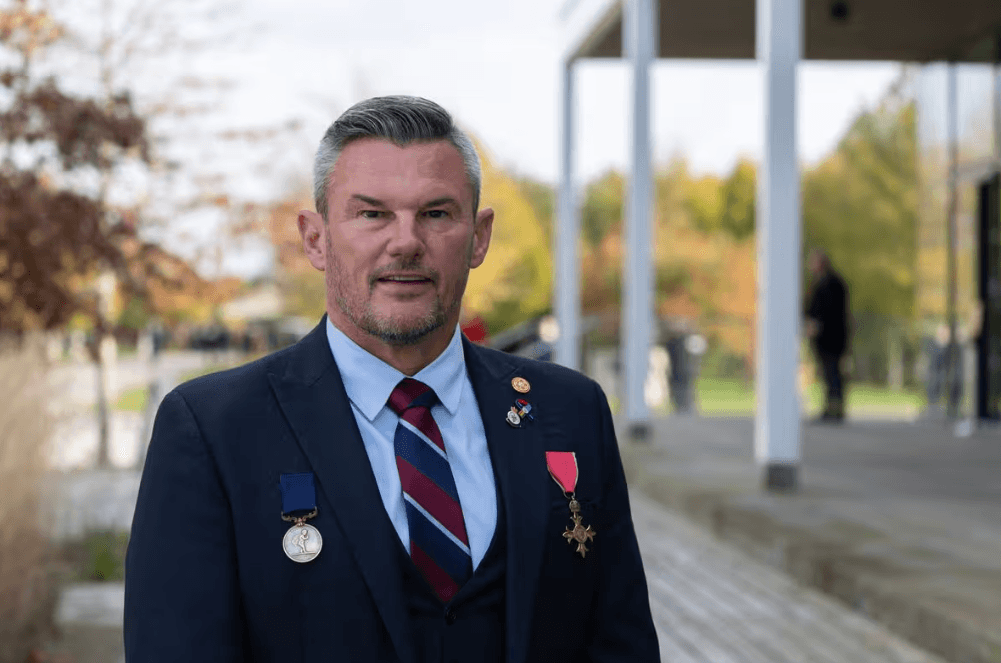
August 2025 to November 2025 - In the months that followed the official announcement, initial discussions took place between The Pastel Project charity, It's In Nottingham and Nottingham City Council. Factors such as planning permission, funding, and the technical aspects of bringing the project to life were discussed. During this time, initial funding for the project was secured. The Pastel Project also received advice from Carl Austin-Behan OBE DL, the first openly gay mayor of Manchester, who played a key role in the creation of Manchester's Gay Village.
November 2025 - An online fundraiser was created via Crowdfunder, inviting people to donate to the project and "help continue its growth". Sam said the donations could "help increase the number of plaques, add more flags, maybe even a mural or two". The project is being created with no council funding, as the charity wanted to avoid the project being "another diversity box-ticking exercise".
Early 2026 - Representatives from It's In Nottingham will join The Pastel Project in a detailed walk around the Rainbow Quarter site, to establish what works will need to take place in the following months. A plan of action will be agreed upon by both parties, and work will then begin.
Early to May 2026 - During these months, the ordered works on Hockley's transformation will be implemented, with the area expected to start visibly changing from this time. Old street signs will be replaced, more LGBTQ+ flags will be placed across the area, and plaques and murals may begin to appear.
May 2026 - May 4, 2026, is the expected date the 'Rainbow Quarter' will officially be launched - a date agreed with It's In Nottingham and the city council. It is hoped that an event will be held to mark the official launch, with figures relevant to the city's LGBTQ+ scene invited. This event will raise money for the annual Nottinghamshire Pride event, taking place that July.
May 2026 onwards - Work on the Rainbow Quarter will progress over the years. Sam says the area will "grow as time goes on," similar to other LGBTQ+ districts such as Manchester's Gay Village and in Brighton, both of which have expanded and adapted over the years since their initial creation.